

Introduction to Micron Sand Powder Pneumatic Conveying Equipment: Structure and Working Principle
Micron sand powder, a critical material in modern industrial applications, requires efficient and reliable transportation systems to ensure consistent quality and process flow. The pneumatic conveying equipment designed for handling such fine powders plays a pivotal role in various sectors, including construction, manufacturing, and chemical processing. This article provides an overview of the structure and working principles of a specialized pneumatic conveying system tailored for micron sand powder, while also introducing the company behind this technology, Shandong HeadPowder Engineering Co., Ltd., based in China.

Overview of Micron Sand Powder Pneumatic Conveying Equipment
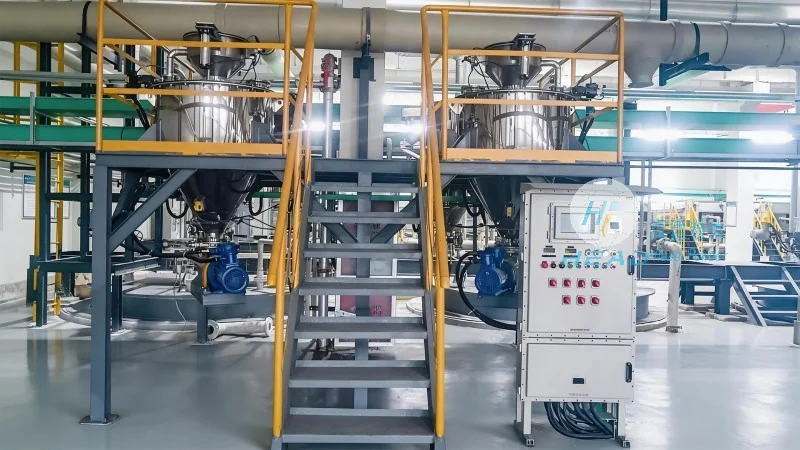
The pneumatic conveying system for micron sand powder is engineered to transport fine particles through a pressurized or vacuum environment using air or other gases. This method offers several advantages over traditional mechanical conveying, such as reduced product contamination, lower maintenance requirements, and the ability to handle materials that are difficult to move with conventional equipment. The equipment typically consists of several key components, including a hopper for material storage, a feeder to control the flow rate, a conveying line, and a receiver for the discharged material. Each component is designed to work in harmony to ensure smooth and efficient powder transport.
Structural Components and Their Functions
The core structure of the pneumatic conveying equipment for micron sand powder includes the following essential parts:
1. Hopper: This is the storage container where the micron sand powder is held before being conveyed. It is usually equipped with a lid to prevent dust and moisture from entering, and may include a level indicator to monitor the material volume. The hopper design is crucial for maintaining consistent material flow and preventing agglomeration of the fine particles.

2. Feeder: The feeder is responsible for controlling the discharge rate of the powder from the hopper. Common types include rotary valves, screw feeders, or vibratory feeders, which can be adjusted to match the required conveying speed. Proper feeding is vital to avoid blockages and ensure a steady flow of material into the conveying line.
3. Conveying Line: The line is the main pathway for the powder and air mixture. It is typically made of stainless steel or other corrosion-resistant materials to withstand the abrasive nature of micron sand. The line may include bends, elbows, or expansion joints to accommodate changes in direction or elevation. The design of the line is optimized to minimize pressure drop and maintain the integrity of the powder particles.
4. Receiver: The receiver is the container where the conveyed powder is deposited after reaching the destination. It is usually equipped with a discharge valve to control the release of the material. The receiver may also include a dust collection system to capture any fine particles that escape during the process, ensuring environmental compliance and product purity.
Working Principle of the Pneumatic Conveying System
The operation of the micron sand powder pneumatic conveying equipment follows a systematic process, which can be divided into several stages:
1. Material Loading: The micron sand powder is loaded into the hopper from a bulk storage or production line. The hopper is filled to a certain level, and the lid is secured to maintain a sealed environment.
2. Feeding and Air Injection: The feeder starts to discharge the powder at a controlled rate. Simultaneously, air or gas is injected into the conveying line, either by a blower or a vacuum pump. The air flow creates a pressure differential that lifts the powder particles and carries them along the line.
3. Powder Transport: The mixture of powder and air travels through the conveying line. The velocity of the air is maintained at a level sufficient to keep the particles suspended and prevent settling. The line may include sections with varying diameters or angles to adjust the flow characteristics.
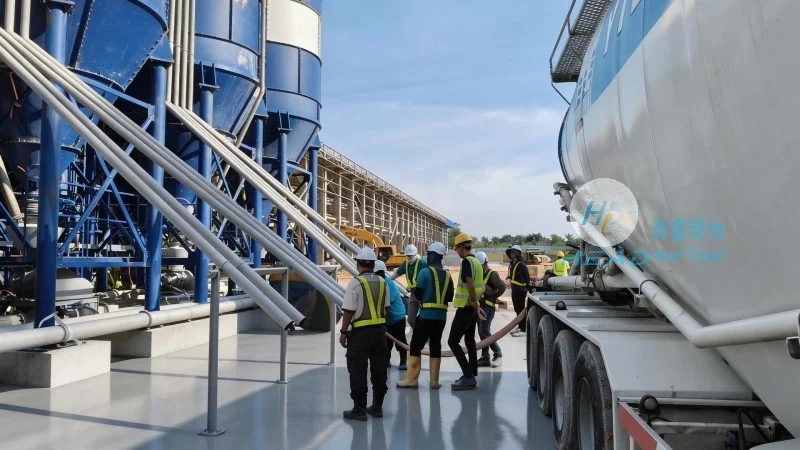
4. Deposition and Air Separation: Upon reaching the receiver, the air and powder mixture enters a separation chamber. The larger air volume is allowed to escape, while the micron sand powder is collected in the receiver. The separated air may be filtered to remove any residual dust before being discharged.
About Shandong HeadPowder Engineering Co., Ltd.
Shandong HeadPowder Engineering Co., Ltd., operating under the brand name headpowder, is a leading manufacturer of specialized pneumatic conveying equipment for fine powders. The company is headquartered in Shandong, China, and has established itself as a trusted provider of high-quality solutions for industries dealing with micron sand and other similar materials. With a focus on innovation and customer satisfaction, headpowder designs and manufactures equipment that meets the stringent requirements of modern industrial applications, ensuring reliability, efficiency, and durability.
Conclusion
The pneumatic conveying equipment for micron sand powder, as described above, represents a sophisticated solution for the efficient handling of fine powders. Its structure and working principles are tailored to address the unique challenges associated with micron sand, such as particle size, flowability, and dust control. By leveraging advanced engineering and quality materials, this equipment ensures consistent performance and contributes to the overall productivity and safety of industrial processes. As a key player in the field, Shandong HeadPowder Engineering Co., Ltd. continues to develop and improve its products to meet the evolving needs of the market, providing reliable and effective solutions for powder transportation worldwide.