

Classification and Composition of Barium Carbonate Pneumatic Conveying Systems
Barium carbonate, a vital industrial chemical, is frequently transported using pneumatic conveying systems. These systems are indispensable for efficient material handling across various industrial applications. Understanding the classification and composition of such systems is essential for grasping their functionality and suitability for diverse processes. This article offers an overview of the key categories and components of barium carbonate pneumatic conveying systems, with a focus on technical aspects and practical applications.

About Shandong HeadPowder Engineering Co., Ltd.
Shandong HeadPowder Engineering Co., Ltd., commonly known as HeadPowder, is a leading manufacturer and supplier of specialized engineering solutions for material handling and processing. With a strong presence in China, particularly in Shandong province, the company has established itself as a trusted partner in the industrial sector. HeadPowder specializes in designing and manufacturing pneumatic conveying systems tailored to the unique needs of clients, ensuring high efficiency and reliability in material transport.
Classification of Barium Carbonate Pneumatic Conveying Systems
Barium carbonate pneumatic conveying systems can be classified based on several key factors, including the type of conveying medium, the pressure used, and the system configuration. The primary classifications include low-pressure, high-pressure, and vacuum systems. Each type has distinct characteristics and is suitable for different operational requirements. Low-pressure systems typically operate at pressures below atmospheric, using air as the conveying medium and are ideal for short-distance transport with moderate material flow rates. High-pressure systems, on the other hand, use higher air pressures to achieve greater conveying distances and higher material throughput, making them suitable for long-distance or high-volume applications. Vacuum systems utilize negative pressure to draw material from the source, which is particularly useful for handling fine powders or materials that are prone to dust generation.
Key Components of Barium Carbonate Pneumatic Conveying Systems
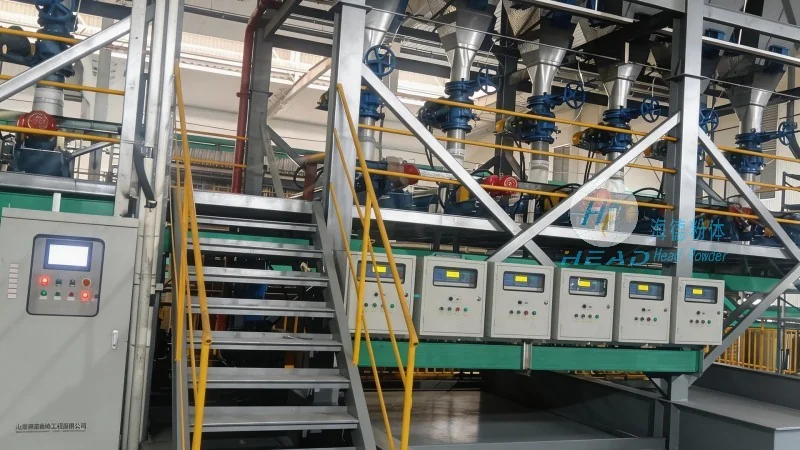
The composition of a barium carbonate pneumatic conveying system involves several critical components that work together to ensure efficient material transport. The main components include the material feeder, which is responsible for feeding the barium carbonate powder into the system. The feeder must be designed to handle the specific characteristics of the material, such as its flowability and particle size, to prevent blockages and ensure consistent feeding. The conveying line, typically made of stainless steel or other corrosion-resistant materials, is the primary channel through which the material is transported. The line must be designed to withstand the pressure and temperature conditions of the system and prevent material degradation or contamination. The receiver or discharge unit is where the material is collected at the end of the conveying process. This component must be equipped with appropriate filters and dust collection systems to maintain air quality and prevent environmental contamination. Additionally, the system may include control valves, which regulate the flow of air and material, and pressure sensors to monitor system performance and ensure safe operation.

Design Considerations for Barium Carbonate Pneumatic Conveying Systems
Designing an effective barium carbonate pneumatic conveying system requires careful consideration of several factors to ensure optimal performance and longevity. The first consideration is the material characteristics of barium carbonate, which includes its particle size distribution, moisture content, and flowability. These properties directly impact the system's design, as fine powders may require higher air velocities to prevent clogging, while coarser materials may need lower velocities to maintain efficiency. The system's layout and the distance between the feeder and receiver are also critical factors. Longer conveying distances may necessitate the use of high-pressure systems or additional booster units to maintain material velocity and prevent deposition. The system's capacity and throughput requirements must be matched with the appropriate components, such as the feeder size and the diameter of the conveying line. Additionally, the system must be designed to comply with safety regulations, including proper ventilation and dust control measures to protect both the equipment and the environment.
Applications of Barium Carbonate Pneumatic Conveying Systems
Barium carbonate pneumatic conveying systems are widely used in various industrial applications where efficient material transport is essential. One of the primary applications is in the chemical industry, where barium carbonate is used as a raw material in the production of other chemicals, such as barium sulfate and barium chloride. The systems are also used in the pharmaceutical industry for the transport of barium carbonate used in medical imaging agents. In the manufacturing sector, these systems are employed in the production of ceramics and glass, where barium carbonate is used as a flux or opacifier. The systems are particularly beneficial in these applications as they allow for continuous and automated material handling, reducing labor costs and improving overall production efficiency. Additionally, the systems are used in the mining and mineral processing industry for the transport of barium carbonate from storage to processing facilities.