

Efficient and Clean Solution for Phosphates: A Detailed Explanation of Pneumatic Conveying Technolog
Phosphates are essential raw materials in various industries, including agriculture, food processing, and chemical manufacturing. The efficient and clean transportation of these materials is crucial for maintaining production efficiency and ensuring product quality. Traditional methods like belt conveyors or bucket elevators often face challenges such as material degradation, contamination, and high maintenance costs. This is where pneumatic conveying technology emerges as a superior solution, offering enhanced efficiency and a cleaner operational environment. In this article, we delve into the details of pneumatic conveying systems and how they can revolutionize the way phosphates are handled and transported.
Pneumatic Conveying: An Overview
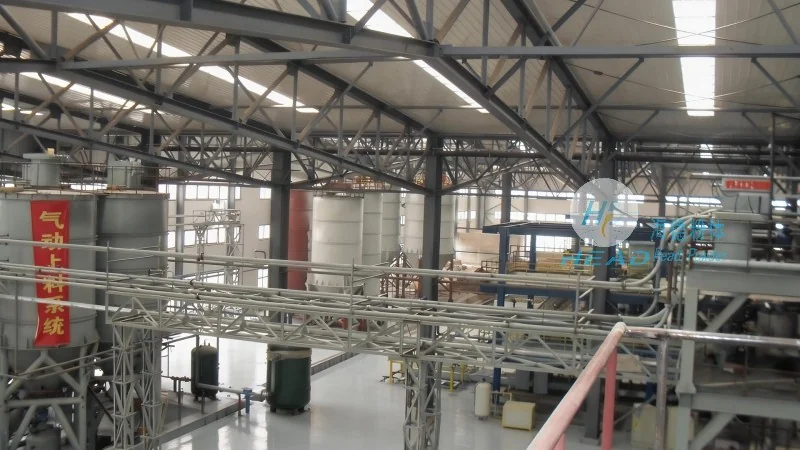
Pneumatic conveying, also known as air conveying, is a method of transporting bulk materials through a pipeline using compressed air or other gas. Unlike mechanical systems that rely on physical contact with the material, pneumatic systems utilize air pressure to move particles, reducing friction and wear. This approach not only minimizes product degradation but also eliminates the need for direct contact with machinery, leading to a cleaner and more hygienic process. The technology is particularly well-suited for handling fine powders like phosphates, which are prone to clumping and dust generation in traditional systems.
Key Advantages of Pneumatic Conveying for Phosphates
When it comes to transporting phosphates, pneumatic conveying offers several distinct advantages over conventional methods. First, it significantly improves material handling efficiency by reducing downtime and maintenance requirements. The absence of moving parts in contact with the material minimizes wear and tear, leading to longer equipment life and lower operational costs. Second, the system provides a high degree of cleanliness, as the material is contained within a sealed pipeline, preventing dust and contamination. This is critical for industries where product purity is paramount, such as food and pharmaceutical applications. Third, pneumatic conveying allows for precise control over flow rates and pressure, enabling seamless integration with downstream processes like mixing, packaging, or further processing. The ability to adjust the conveying velocity and pressure ensures optimal performance while maintaining product integrity.

Components of a Pneumatic Conveying System
A typical pneumatic conveying system consists of several key components that work in tandem to achieve efficient material transport. The primary components include a material feed hopper, a conveyor line (usually made of stainless steel to prevent corrosion), a compressor or air source, and a control system. The feed hopper ensures a consistent supply of material, while the conveyor line transports the phosphates through the system. The compressor generates the necessary air pressure to move the material, and the control system monitors and adjusts the system parameters to maintain optimal performance. Additional components may include filters to remove dust from the air, cyclones for material separation, and pressure relief valves to prevent over-pressurization. Each component plays a critical role in ensuring the system operates smoothly and efficiently, delivering phosphates to their destination with minimal loss or degradation.
Application Examples in Phosphate Processing
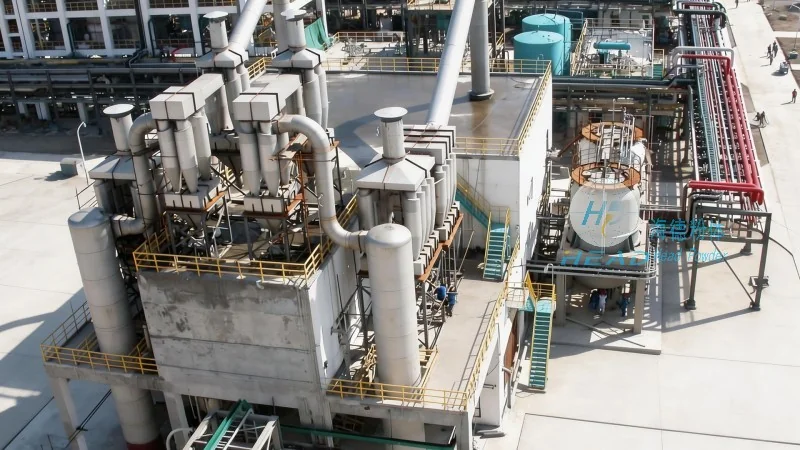
Pneumatic conveying technology is widely applied in the processing of phosphates, from raw material handling to final product packaging. In a typical phosphate processing plant, the system may be used to transport raw phosphate ore from storage silos to grinding mills, where it is converted into fine powders. The pneumatic system then transports these powders to storage silos or directly to downstream processing units, such as chemical reactors or mixing tanks. The clean and efficient nature of the system ensures that the phosphates remain free from contamination, which is essential for maintaining product quality. For example, in the production of food-grade phosphates, the system can be designed to meet strict hygiene standards, with all components made of food-grade materials and the system fully sealed to prevent any external contamination. This ensures that the final product meets the highest quality and safety standards required by regulatory bodies.

Case Study: HeadPowder Engineering's Pneumatic Conveying Solutions
Shandong HeadPowder Engineering Co., Ltd., a leading provider of material handling solutions, specializes in designing and manufacturing pneumatic conveying systems tailored to the specific needs of phosphate processing industries. With years of experience in the field, HeadPowder has developed a range of systems that address the unique challenges of handling phosphates, including their fine particle size and tendency to clump. The company's solutions are engineered to maximize efficiency while minimizing maintenance and operational costs. For instance, a client in the agricultural sector implemented a pneumatic conveying system to transport phosphate fertilizers from storage to application equipment. The system was designed to handle large volumes of material with minimal pressure loss, ensuring consistent flow rates and reducing downtime. The result was a significant improvement in production efficiency and a cleaner working environment, as the traditional belt conveyor system was replaced with a fully enclosed pneumatic system that prevented dust and contamination. This case study highlights the effectiveness of pneumatic conveying in enhancing the overall performance of phosphate processing operations.
Conclusion: The Future of Phosphate Transportation
As the demand for phosphates continues to grow, the need for efficient and clean transportation methods becomes increasingly critical. Pneumatic conveying technology offers a compelling solution that addresses the limitations of traditional systems, providing enhanced efficiency, reduced maintenance, and improved product quality. With advancements in system design and control technology, pneumatic conveying systems are becoming more reliable and cost-effective, making them an attractive option for industries handling phosphates. Companies like Shandong HeadPowder Engineering Co., Ltd. are at the forefront of developing innovative solutions that meet the evolving needs of the phosphate industry, ensuring that material transportation remains a key factor in maintaining competitive advantage and operational excellence.