

Principle and Working Scenario Characteristics of Pneumatic Conveying Equipment for Acrylate Rubber
HeadPowder, a leading engineering firm based in Shandong, China, specializes in the design and manufacturing of advanced pneumatic conveying systems tailored for handling acrylate rubber materials. This article delves into the fundamental principles behind such equipment and highlights the key working scenario characteristics that define their operational effectiveness.

Understanding the Core Principle of Pneumatic Conveying
Pneumatic conveying equipment operates on the principle of transporting bulk materials through a pipeline using a stream of air or other gas. In the case of acrylate rubber, which is known for its elasticity and resistance to chemicals, the system must be engineered to handle materials with specific physical properties. The primary mechanism involves creating a pressure differential within the pipeline, either by suction (negative pressure) or pressure (positive pressure), to draw or push the rubber particles along the conduit. This method eliminates the need for mechanical components like belts or buckets, reducing friction and wear while ensuring a clean and efficient transfer process.

Key Working Scenario Characteristics of Acrylate Rubber Pneumatic Conveying Systems
The effectiveness of pneumatic conveying systems for acrylate rubber is heavily influenced by several working scenario characteristics. First, the material's particle size and density play a critical role. Acrylate rubber often comes in fine powders or granules, requiring systems with precise air flow control to prevent clogging and ensure consistent velocity. Second, the system must accommodate varying moisture levels and potential contamination, as these factors can affect the material's flowability and the equipment's performance. Third, the working environment, such as temperature and humidity, impacts the rubber's properties and the system's efficiency, necessitating temperature-controlled or sealed systems to maintain material integrity.

Application Scenarios and Operational Advantages
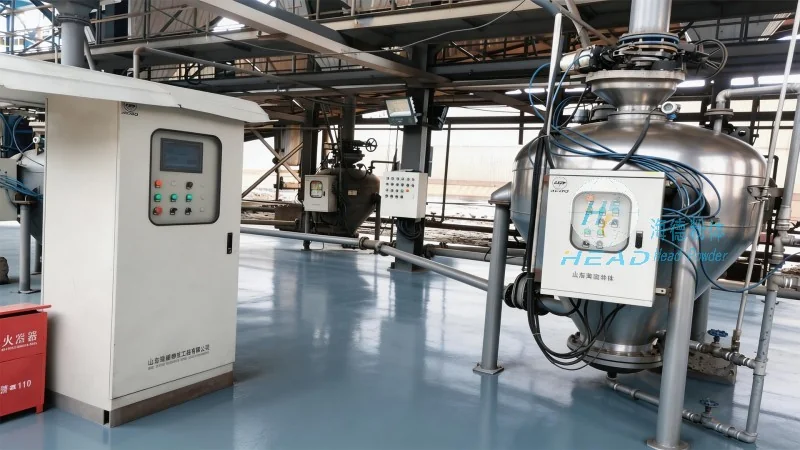
HeadPowder's pneumatic conveying equipment for acrylate rubber is widely applied in various industrial settings. In manufacturing plants, these systems are used to transfer rubber from storage silos to processing lines, ensuring a continuous and controlled supply. The equipment's ability to handle high volumes with minimal downtime makes it ideal for production lines that demand reliability. Additionally, the systems are suitable for applications requiring dust-free or enclosed environments, such as in pharmaceutical or food processing industries where acrylate rubber is used as a component. The operational advantages include reduced labor costs due to automated material handling, lower maintenance requirements compared to traditional methods, and enhanced safety by eliminating manual handling of potentially hazardous materials.
Customization and Technical Specifications for Optimal Performance
HeadPowder engineers customize pneumatic conveying systems to meet the specific needs of each client, considering factors like material characteristics, processing requirements, and facility layout. Technical specifications include the selection of appropriate air compressors, pipeline diameters, and control systems to ensure optimal air velocity and pressure. For acrylate rubber, which may have varying particle sizes, the system may incorporate features like air classifiers or cyclone separators to maintain consistent material quality. The company's expertise in material science and pneumatic engineering ensures that the equipment is designed to handle the unique challenges posed by acrylate rubber, such as its tendency to stick to surfaces or degrade under certain conditions.
Conclusion: Enhancing Efficiency in Acrylate Rubber Handling
By leveraging the principles of pneumatic conveying and tailoring systems to the specific characteristics of acrylate rubber, HeadPowder's equipment provides a reliable and efficient solution for material handling in industrial applications. The working scenario characteristics, including material properties, environmental conditions, and operational demands, are carefully addressed to ensure optimal performance. As a result, businesses can enhance their production processes, reduce costs, and improve overall operational efficiency when utilizing these advanced pneumatic conveying systems.