

Operation Process and Working Principle of Active Ammonia Denitration System
The active ammonia denitration system is a critical technology used in industrial applications to reduce nitrogen oxide (NOx) emissions from combustion processes. This system employs ammonia as a reducing agent to facilitate the selective catalytic reduction (SCR) of NOx into nitrogen (N₂) and water (H₂O). The technology is widely adopted in power plants, cement factories, and other industrial facilities to meet stringent environmental regulations. Shandong HeadPowder Engineering Co., Ltd., a leading provider in this field, specializes in designing and implementing such systems to ensure optimal performance and compliance with environmental standards. The company is headquartered in Shandong, China, and has extensive experience in delivering high-quality denitration solutions.

Working Principle of the System
The core working principle of the active ammonia denitration system revolves around the chemical reaction between ammonia (NH₃) and nitrogen oxides (NOx) in the presence of a catalyst. The primary reaction is the selective catalytic reduction of NO to N₂, which can be represented by the following equation: 4NH₃ + 4NO + O₂ → 4N₂ + 6H₂O. In this process, ammonia is injected into the flue gas stream, where it mixes with the NOx pollutants. The catalyst, typically made of titanium dioxide (TiO₂) supported on aluminum oxide (Al₂O₃), provides the necessary surface for the reaction to occur efficiently. The system operates at temperatures typically ranging from 300 to 400 degrees Celsius, which is optimal for the SCR reaction. The catalyst's role is to lower the activation energy of the reaction, enabling the conversion of NOx to harmless nitrogen and water at a much faster rate.

Operation Process of the System
The operation of the active ammonia denitration system involves several key steps to ensure continuous and effective NOx reduction. First, the flue gas from the combustion source is preheated to the appropriate temperature range for the SCR reaction. This preheating step is crucial as the catalyst's efficiency is highly temperature-dependent. Next, the ammonia is introduced into the gas stream through a series of injection nozzles or a distribution system, ensuring uniform mixing with the flue gas. The mixture then passes through the catalyst bed, where the reduction reaction takes place. The catalyst surface facilitates the adsorption of NOx and ammonia molecules, leading to the formation of nitrogen and water. After the reaction, the cleaned flue gas is discharged from the system. The system is equipped with sensors and control systems to monitor parameters such as temperature, ammonia concentration, and NOx levels in real-time. These controls adjust the ammonia injection rate to maintain the optimal NOx reduction efficiency while preventing over-ammonia slip, which could lead to secondary emissions. Regular maintenance, including catalyst regeneration or replacement, is also part of the operation process to ensure long-term system performance.
Key Components and Their Functions
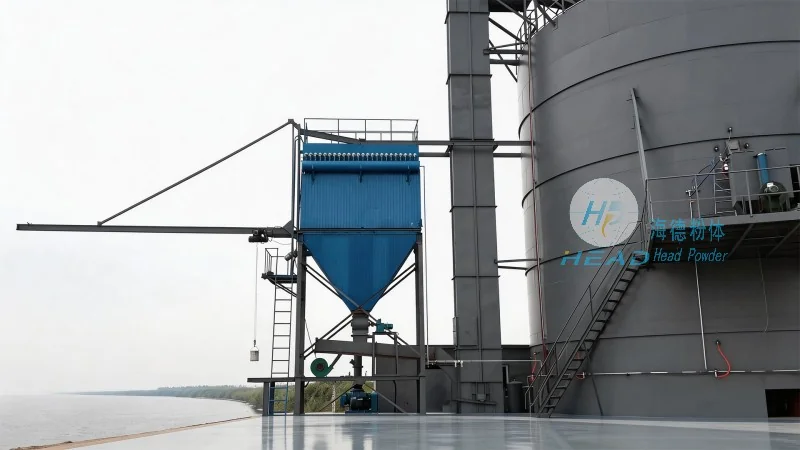
The active ammonia denitration system consists of several critical components, each playing a vital role in the overall operation. The ammonia storage and delivery system is responsible for storing and supplying the ammonia fuel to the injection system. This system typically includes a storage tank, a pressure regulator, and a metering device to control the flow rate of ammonia. The injection system, which may include multiple nozzles or a rotary distributor, ensures that the ammonia is evenly distributed throughout the flue gas stream. The catalyst bed, as previously mentioned, is the heart of the system, providing the surface for the SCR reaction. The catalyst is usually housed in a reactor or a series of reactors, with the flue gas flowing through the catalyst layers. The reaction chamber is designed to maintain the optimal temperature and residence time for the reaction to occur. The exhaust gas handling system, including fans and ductwork, is responsible for moving the flue gas through the system and discharging the cleaned gas to the atmosphere. The control and monitoring system integrates sensors and controllers to regulate the operation of the system, ensuring that all parameters are within the desired range. Shandong HeadPowder Engineering Co., Ltd. designs and manufactures these components to meet the specific requirements of each industrial application, ensuring durability and efficiency.
Advantages of the Active Ammonia Denitration System
Compared to other NOx control technologies, the active ammonia denitration system offers several advantages. First, it provides high NOx reduction efficiency, typically ranging from 80% to 95%, depending on the operating conditions and catalyst type. This high efficiency helps industrial facilities meet even the most stringent environmental regulations. Second, the system is relatively low in operating cost, as ammonia is a relatively inexpensive fuel compared to other reducing agents. Third, the system has a long operational life, with the catalyst typically lasting several years before needing replacement. Fourth, the system is flexible and can be adapted to various industrial processes, including coal-fired power plants, natural gas-fired power plants, and cement kilns. The system also has a low impact on the overall combustion efficiency, as the ammonia injection does not significantly affect the heat release rate of the combustion process. These advantages make the active ammonia denitration system a preferred choice for many industrial facilities seeking to reduce their NOx emissions.