

Operation Process and Working Principle of Ammonium Chloride Powder Pneumatic Conveying Equipment
Ammonium chloride (NH₄Cl) is a widely used chemical compound in various industrial applications, including agriculture, pharmaceuticals, and chemical manufacturing. The efficient and reliable transportation of ammonium chloride powder from storage to processing units is crucial for maintaining production efficiency and safety. Pneumatic conveying systems offer a solution to this challenge by utilizing air as the conveying medium to transport bulk powders like ammonium chloride. This article provides an overview of the operation process and working principle of such equipment, highlighting key components and the step-by-step procedure involved in its operation.

Key Components of Pneumatic Conveying Systems for Ammonium Chloride
The pneumatic conveying system for ammonium chloride powder typically consists of several essential components that work in tandem to ensure smooth operation. These components include a hopper for material storage, a feeder to control the flow of powder, a conveying line (usually a pipe) through which air and powder travel, a compressor to generate the necessary air pressure, and a receiver or discharge unit to collect the conveyed material. Each component plays a critical role in the overall performance of the system.

Working Principle of Pneumatic Conveying
The core principle of pneumatic conveying is the use of compressed air to create a flow that transports the powder particles through the conveying line. In the case of ammonium chloride, the system operates by first feeding the powder from the hopper into the feeder. The feeder then regulates the amount of powder released into the conveying line, ensuring a consistent flow rate. Simultaneously, the compressor generates high-pressure air that is introduced into the conveying line. As the air flows through the pipe, it creates a low-pressure zone that draws the powder particles into the air stream. The mixture of air and powder travels through the pipe to the discharge point, where the air is separated from the powder, and the ammonium chloride is collected in the receiver.
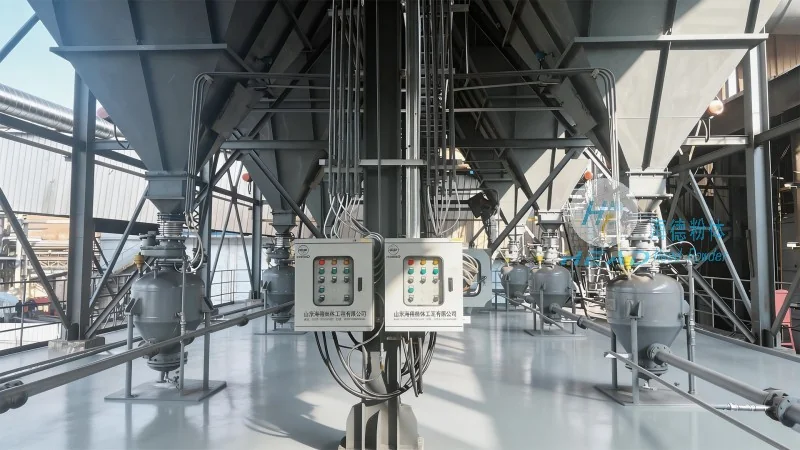
Operation Process of Ammonium Chloride Powder Pneumatic Conveying Equipment
The operation process of the equipment involves several sequential steps that ensure the safe and efficient transfer of ammonium chloride powder. The first step is the preparation phase, where the hopper is filled with the required amount of ammonium chloride powder. The feeder is then adjusted to the desired flow rate, which is typically controlled by the system's control panel. The compressor is started, and the air pressure is set to the appropriate level based on the system's design and the characteristics of the powder. Once the system is ready, the operation begins with the start of the feeder, which releases the powder into the conveying line. The compressed air then carries the powder through the pipe to the discharge point. The receiver is positioned to collect the conveyed powder, and the air is either vented or recycled back into the system, depending on the design. The process continues until the hopper is emptied or the required amount of powder has been transferred. At the end of the operation, the system is shut down by stopping the feeder and compressor, and the air pressure is released from the system.
Advantages of Pneumatic Conveying for Ammonium Chloride
Pneumatic conveying systems offer several advantages when used for transporting ammonium chloride powder. These include the ability to handle fine powders without causing dust accumulation, as the air stream helps to keep the powder particles suspended. The system is also relatively simple in design, with fewer moving parts compared to other conveying methods like belt conveyors. Additionally, pneumatic conveying can be used for long-distance transport, making it suitable for industrial facilities where the storage and processing units are located far apart. The system is also flexible, as it can be easily modified to accommodate changes in production requirements or to transport different types of powders.

Maintenance and Safety Considerations
Proper maintenance and safety measures are essential to ensure the reliable operation of the pneumatic conveying system for ammonium chloride. Regular inspection of the hopper, feeder, and conveying line is necessary to check for any blockages or wear and tear. The compressor and air filters should be checked regularly to ensure they are functioning properly and to prevent dust accumulation. The system should also be equipped with safety features such as pressure relief valves and emergency stop buttons to prevent accidents. Additionally, the powder should be stored in a dry and well-ventilated area to prevent moisture absorption, which can affect the powder's properties and the system's performance.