

Operation Process and Working Principle of Coking Coal Particle Material Pneumatic Conveying Equipme
HeadPowder, a leading manufacturer based in Shandong, China, specializes in the design and production of advanced pneumatic conveying systems tailored for coking coal particle transport. This article provides a detailed overview of the operational process and working principles of such equipment, highlighting key components, system flow, and the technological advantages that ensure efficient and reliable material handling.

Key Components of the Pneumatic Conveying System
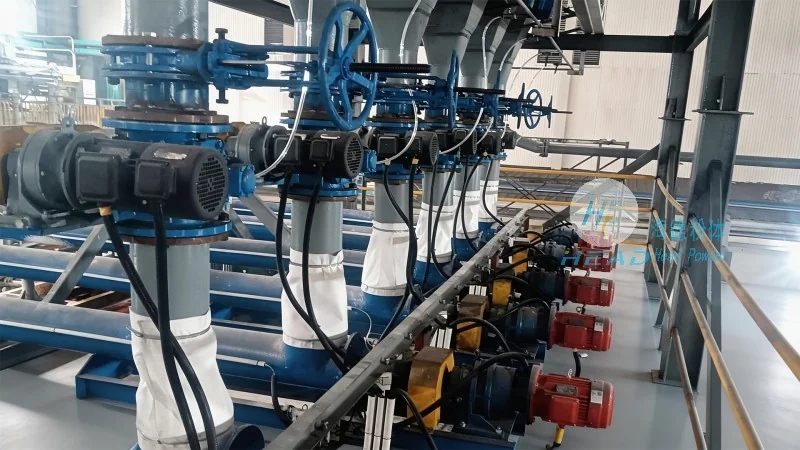
The coking coal particle pneumatic conveying equipment typically consists of several core components that work in tandem to achieve seamless material transport. These include the material hopper, which serves as the initial storage and feeding unit; the air compressor or blower, responsible for generating the necessary air pressure to move the particles; the pipeline network, which forms the conduit for both the material and air flow; and the control system, which monitors and regulates the entire process to maintain optimal performance. Each component is engineered to withstand the abrasive nature of coking coal particles, ensuring long-term durability and minimal maintenance.
Operational Process of the Pneumatic Conveying Equipment
The operation of the coking coal particle pneumatic conveying system begins with the loading of raw coking coal into the material hopper. Once the hopper is filled, the control system activates the air compressor, which starts to generate a steady stream of compressed air. The air then flows through the pipeline, creating a pressure differential that draws the coking coal particles from the hopper into the air stream. As the particles are entrained by the air, they travel through the pipeline network to the destination point, such as a storage silo or processing facility. The system maintains a consistent air flow rate and pressure to ensure that the coking coal particles are transported smoothly without any blockages or degradation. The control system continuously monitors parameters like air pressure, flow rate, and particle concentration to adjust the operation in real-time, optimizing the conveying efficiency and preventing system failures.
Working Principle of the Pneumatic Conveying System
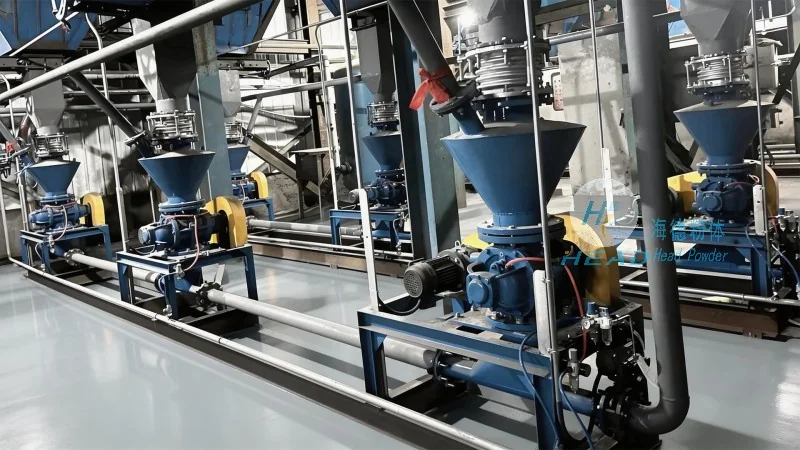
The fundamental principle behind the coking coal particle pneumatic conveying equipment is the use of air as a medium to transport solid particles. This is achieved through the entrainment method, where the compressed air creates a low-pressure zone that pulls the coking coal particles into the air stream. The air velocity within the pipeline is maintained above the minimum fluidization velocity of the coking coal particles, ensuring that the particles remain suspended and transported efficiently. The system can operate in both positive and negative pressure modes, depending on the application requirements. In positive pressure mode, the air is forced into the pipeline, pushing the particles forward, while in negative pressure mode, the air is drawn out of the system, creating a vacuum that pulls the particles. The choice of operating mode depends on factors such as the distance to be covered, the particle size, and the system layout. The working principle is based on fluid dynamics and particle mechanics, ensuring that the coking coal particles are conveyed without any mechanical contact, thus minimizing wear and tear on the equipment and preserving the quality of the material.
Technological Advantages of the Pneumatic Conveying System
Compared to traditional mechanical conveying methods, the coking coal particle pneumatic conveying equipment offers several significant advantages. Firstly, it eliminates the need for mechanical components like conveyors, buckets, or belts, reducing the risk of mechanical failure and maintenance costs. The absence of moving parts also minimizes the wear and tear on the system, leading to longer service life and lower operational expenses. Secondly, the system provides a continuous and uniform flow of coking coal particles, which is crucial for maintaining consistent production rates in downstream processes. The ability to transport materials over long distances without intermediate storage or handling points enhances overall operational efficiency. Additionally, the pneumatic conveying system is highly flexible, allowing for easy integration with existing infrastructure and adaptation to changing production requirements. The control system enables precise regulation of the conveying parameters, ensuring that the coking coal particles are transported at the optimal speed and pressure, further improving the system's efficiency and reliability.

Conclusion
HeadPowder's coking coal particle pneumatic conveying equipment represents a sophisticated solution for efficient material handling in the coking industry. By leveraging advanced pneumatic technology and robust engineering, the system ensures reliable and continuous transport of coking coal particles, meeting the demands of modern industrial operations. With its focus on durability, efficiency, and adaptability, this equipment is an ideal choice for companies seeking to optimize their material handling processes and reduce operational costs. Based in Shandong, China, HeadPowder continues to innovate and provide high-quality solutions tailored to the specific needs of its clients, ensuring that the coking coal particle pneumatic conveying equipment remains a leading choice in the industry.