

Operation Process and Working Principle of Paddy Grain Bulk Material Pneumatic Conveying Line
For agricultural processing facilities, efficiently handling paddy grain is crucial for maintaining production efficiency and product quality. Pneumatic conveying lines offer a reliable method for transporting bulk paddy grain from storage areas to processing units, such as milling or cleaning stations. This technology eliminates the need for mechanical conveyors, reducing wear and tear on equipment while minimizing the risk of contamination. The following sections will explore the operation process and working principles of a typical paddy grain pneumatic conveying line, highlighting key components and their functions.

Key Components of a Paddy Grain Pneumatic Conveying Line
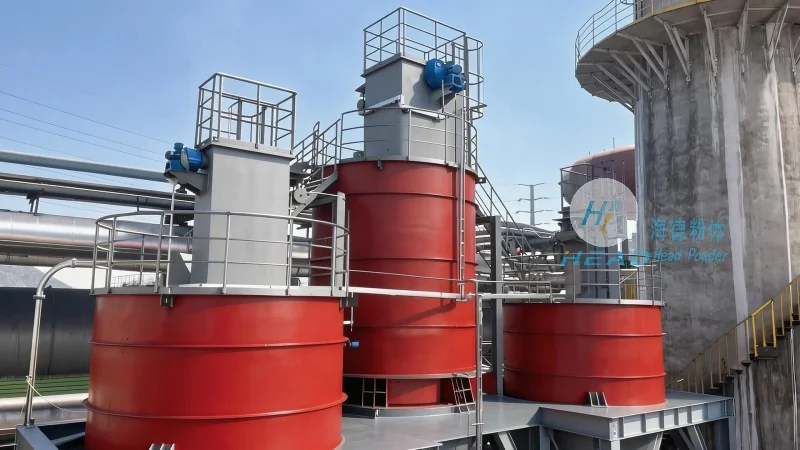
The pneumatic conveying system for paddy grain typically consists of several core components that work in tandem to move the material. The primary components include a hopper for material storage, a feeder to control the flow rate, a conveyor pipe network, a fan or blower to generate the air flow, and a receiver for the discharged material. Each component plays a vital role in ensuring the smooth and efficient operation of the system.
The hopper is designed to hold a large quantity of paddy grain, providing a consistent feed to the feeder. It is usually equipped with a discharge gate or valve that can be adjusted to regulate the flow of grain into the system. The feeder, often a rotary valve or screw feeder, controls the rate at which paddy grain is introduced into the conveyor pipe. This control is essential to prevent overloading the system and to maintain a steady air flow.
The conveyor pipe network is made of durable materials, such as stainless steel or PVC, to withstand the abrasive nature of paddy grain. The pipes are connected in a loop or series, allowing the grain to be transported over long distances with minimal pressure loss. The fan or blower is the heart of the system, generating the necessary air pressure to move the grain through the pipes. It is typically a centrifugal fan or a positive displacement blower, chosen based on the system's capacity and pressure requirements.
The receiver is the final component where the paddy grain is discharged from the system. It is usually a large tank or hopper that collects the material after it has been conveyed. The receiver may also include a cleaning system to remove any residual grain or dust from the air before it is released back into the environment.

The Operation Process of Paddy Grain Pneumatic Conveying
The operation of a paddy grain pneumatic conveying line involves several sequential steps. First, the paddy grain is loaded into the hopper from a storage silo or truck. The hopper's discharge gate is then opened to allow the grain to flow into the feeder. The feeder adjusts the flow rate based on the system's demand, ensuring a consistent supply of material.
Next, the fan or blower starts operating, creating a negative pressure or positive pressure within the conveyor pipes. The air flow draws the paddy grain from the feeder into the pipe network. As the grain travels through the pipes, it is suspended by the air current and transported to the receiver. The speed of the air flow determines the conveying velocity of the grain, and it must be sufficient to keep the grain in suspension and prevent it from settling.
During the conveying process, the system monitors key parameters such as pressure, flow rate, and temperature to ensure optimal performance. Any fluctuations in these parameters are adjusted by the control system to maintain the desired operation. The receiver collects the conveyed paddy grain, which is then ready for further processing, such as milling or packaging.
At the end of the conveying cycle, the fan is turned off, and the system is depressurized. The receiver's discharge valve is opened to allow the grain to be discharged into the processing line. The hopper and feeder are then reset for the next cycle, and the process repeats.
Working Principles of Paddy Grain Pneumatic Conveying
The working principle of a paddy grain pneumatic conveying line is based on the principle of fluidization and suspension. The air flow generated by the fan creates a low-density environment within the conveyor pipes, allowing the paddy grain to be suspended and transported as a fluidized mixture. This method is known as dilute-phase conveying, where the grain particles are dispersed in the air stream.
In dilute-phase conveying, the air velocity is high enough to keep the grain particles in suspension, preventing them from settling or clogging the pipes. The pressure drop along the conveyor pipe is a critical factor, as it determines the energy required to move the grain. The system is designed to minimize pressure loss by using smooth pipes and appropriate bends and fittings.
The fan or blower provides the necessary pressure to overcome the resistance of the pipe network and the weight of the grain. The pressure is measured at various points in the system to ensure that the flow is consistent and efficient. The control system adjusts the fan speed or power to maintain the desired pressure and flow rate.

Another important principle is the separation of the grain from the air. At the receiver, the air and grain mixture is separated by allowing the air to escape through a filter or cyclone. The grain falls into the receiver due to gravity, while the air is cleaned and discharged. This separation process is crucial to prevent dust and grain particles from entering the environment or the processing equipment.
About Shandong HeadPowder Engineering Co., Ltd.
Shandong HeadPowder Engineering Co., Ltd., commonly known as HeadPowder, is a leading manufacturer of pneumatic conveying systems for agricultural and industrial applications. With a focus on innovation and quality, HeadPowder has developed advanced solutions for handling bulk materials like paddy grain, ensuring efficient and reliable operation for its clients.
HeadPowder's expertise lies in designing and manufacturing customized pneumatic conveying lines that meet the specific needs of agricultural processing facilities. The company's products are engineered to handle the unique challenges of paddy grain, such as its abrasive nature and high moisture content. By using durable materials and advanced control systems, HeadPowder's conveying lines provide long-term performance and low maintenance costs.
HeadPowder is committed to providing comprehensive support to its clients, from system design and installation to maintenance and troubleshooting. The company's team of engineers and technicians has extensive experience in pneumatic conveying technology, ensuring that each project is completed to the highest standards. With a strong presence in China, HeadPowder serves a wide range of clients across the agricultural industry, helping them to improve their production efficiency and product quality.